
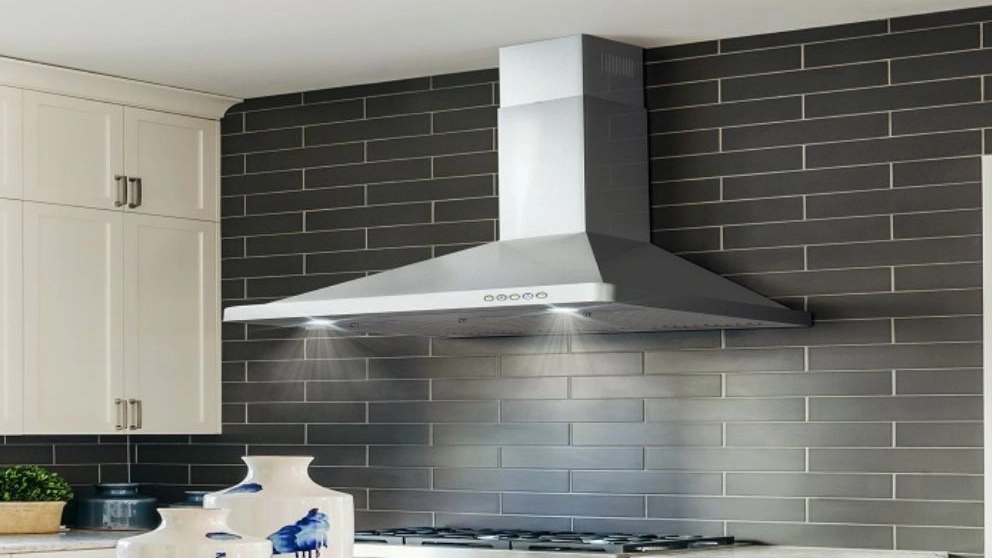
When cleaning the kitchen, you can easily ignore your kitchen hood. However, this is one area you should definitely clean to keep your home free of germs, bacteria, and fire hazards. If you follow your usual routine, the hood is easy to clean, although it may initially require harsher chemicals than your regular surface cleaners. Of course, depending on the model of your hood, you can easily clean or replace it on a regular basis.
How often do you need to clean your kitchen hood?
If you cook daily, the inside and outside of the hood should be cleaned monthly. If you don't cook all the time, seasonal cleaning is enough. Always have a plan to clean your hood filters after preparing food for holidays and holidays even if you don't clean the rest of your hood. They draw pipes, they naturally stick to surfaces as well. Keeping the hood clean is not only for it to smell good and be more beautiful, but it is also mandatory to prevent fire. According to the Federal Emergency Management Agency (FEMA), cooking is the leading cause of residential fire injuries and the fourth leading cause of all residential fires. When a pot or pan is left on the stove for an extended period of time, flames will appear and may fly into the grease hood, causing extensive structural damage.
🔻 🔻 troubleshooting kitchen hood
A good way to test the valve on your machine is to cut a square piece of newspaper and hold it over the valve. If the newspaper is pulled up and held in place, your hood vent is working properly. Each particular model of the hood has its own unique range. If you have difficulty in identifying issues and problems on your own, try to check the model number of your unit, in this way you will be able to get the necessary information regarding the common problems that happen to your particular model. You can also get expert advice from experts in this field in Khabaz collection.
مارین The kitchen hood service
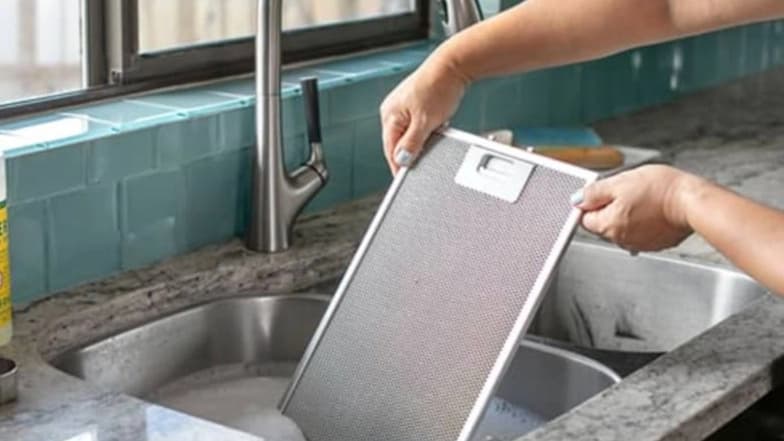
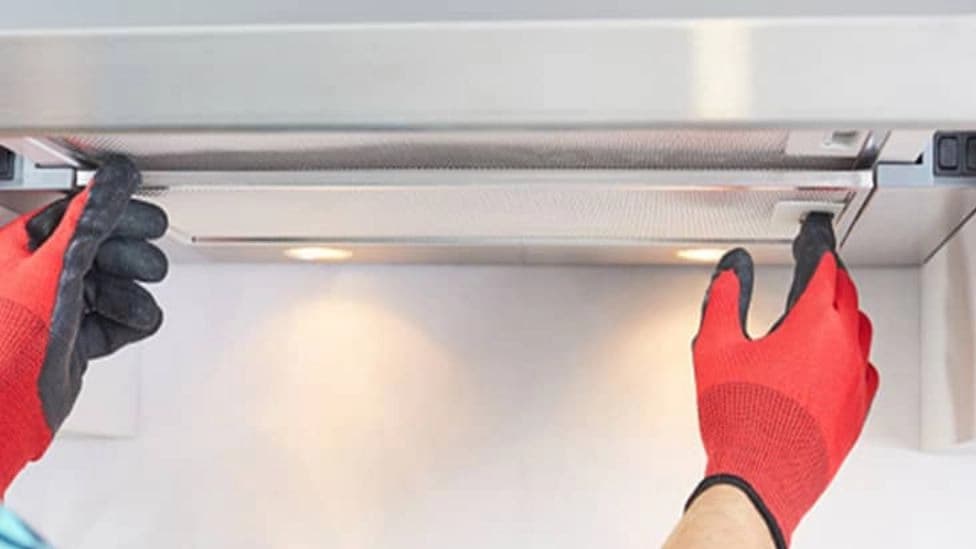
Clean the air filter. The air filter is the part of your kitchen hood vent that removes particles and smoke from the air before it is transported outside or recirculated. There are two types of filters: metal filters and charcoal filters. Both types of these filters can be easily removed for cleaning or replacement.
If you have a metal filter, simply remove it and then place it in a small bucket or suitable container filled with a degreasing solution to drain the filter. Cover completely. After all the fat has dissolved, wash it in warm water with soap. For proper measurement, place it on the top rack of the dishwasher. Make sure it is completely dry before reattaching it.
If you have a charcoal filter, the removal process will be much the same. The only difference is that you cannot clean one of these filters. It is a good idea to replace the charcoal filter annually, or whenever it loses its effectiveness.
Hood board 🔻 🔻
Clean the hood board. The process is relatively simple. Make sure the appliance is turned off and the stove top is not hot or lit. Household cleaning spray or degreaser will be suitable for regular cleaning. Just remember to use the non-abrasive variety.
🔻 🔻 🔻 Hood Hood
Clean the valve. You should regularly check the vent that leads out of your hood. It is possible that fat layers are formed inside it. This will disrupt its performance and most likely cause a fire. If grease accumulates in this area of your valve, it is important to contact a professional cleaning professional as soon as possible to clean it properly.
🔻 🔻 Fan Hood
Clean the fan or replace the motor. The fan motor is generally durable enough to require no maintenance, but when inspecting, you should check every part of your hood vent. Sometimes the engine can not work properly if exposed to excessive moisture and grease. Most of the time, it is the impeller that has collected dirt and grease. You can remove this part and clean it with degreaser. If this does not solve your problem, you will most likely need to replace the motor.